
AAC Cable vs. Traditional Conductors: Which Saves More on Large-Scale Projects?
Introduction: The Critical Choice Between AAC and Traditional Conductors
When planning large-scale electrical projects, choosing between AAC cable and traditional conductors can significantly impact your budget and efficiency. As a leading AAC cable exporter, Hebei Yongben Wire and Cable Co.,Ltd. provides expert insights on cost-saving solutions. Discover how our high-quality Network Cable and BVR Cable options compare in durability, conductivity, and long-term value for industrial applications.
For procurement managers and project leaders overseeing infrastructure development, power distribution networks, or industrial installations, the conductor selection process involves weighing material properties against total project lifecycle costs. This analysis reveals why all-aluminum conductors (AAC) are increasingly displacing traditional copper and aluminum-steel options in modern energy systems.
Material Showdown: Key Differences Between AAC and Traditional Conductors
Composition and Structural Advantages
AAC cables utilize pure aluminum strands without steel reinforcement, offering distinct advantages:
- Lighter weight (approximately 30% reduction vs. ACSR)
- Superior corrosion resistance in coastal/industrial environments
- Elimination of bimetallic corrosion risks
- Simplified termination procedures
Traditional options like ACSR (Aluminum Conductor Steel Reinforced) combine aluminum strands around a steel core, while copper conductors provide high conductivity at premium material costs. The following table compares essential characteristics:
For underground applications requiring robust mechanical protection, consider our 50mm 2 Core Steel Wire Armoured SWA Cable, featuring XLPE insulation resistant to fluids and chemicals with steel wire armouring for external damage prevention.
Cost Analysis: 5-Year Project Lifecycle Comparison
Large-scale projects demand thorough financial evaluation beyond initial material costs. Our research across 28 European markets reveals AAC's superior cost-efficiency:
Capital Expenditure (CAPEX) Factors
- Material costs: AAC averages 18-22% lower than equivalent copper conductors
- Installation savings: Reduced weight cuts labor hours by 15-25%
- Support structure optimization: Lighter cables allow longer spans (up to 20% increase)
Operational Expenditure (OPEX) Advantages
Technical Performance in Critical Applications
Durability Under Environmental Stress
Hebei Yongben's AAC cables demonstrate exceptional performance in demanding conditions:
- Temperature resilience: -40°C to +90°C operational range
- UV resistance: 25% better than standard ACSR in accelerated aging tests
- Chemical resistance: Withstands pH 3-11 exposure without degradation
Electrical Characteristics Comparison
While copper maintains conductivity advantages, modern AAC formulations close the gap:
- AAC achieves 61% IACS conductivity vs copper's 100%
- Current carrying capacity: 50mm² AAC handles 170A vs 210A for copper
- Voltage drop: 3.8mV/A/m for AAC vs 2.5mV/A/m for copper
Implementation Guidelines for Project Managers
When AAC Delivers Maximum Value
Prioritize AAC deployment in these scenarios:
- Overhead distribution lines (11kV-33kV)
- Coastal installations with salt spray exposure
- Projects with tight weight restrictions
- Budget-sensitive infrastructure programs
Traditional Conductor Applications
Consider alternative solutions when:
- Extreme mechanical loads require steel reinforcement
- Space constraints demand maximum current density
- Existing infrastructure requires material compatibility
Frequently Asked Questions
How does AAC compare to AAAC (All Aluminum Alloy Conductor)?
While both use aluminum, AAAC incorporates magnesium and silicon alloys for 20-30% greater tensile strength. AAC remains preferable for standard distribution networks where extreme tension isn't required, offering 15-18% cost savings over AAAC.
What safety certifications apply to AAC cables?
Hebei Yongben's AAC products comply with IEC 61089, BS EN 50182, and ASTM B231 standards, with optional flame-retardant versions meeting IEC 60332-1-2 requirements. Our 50mm 2 Core Steel Wire Armoured SWA Cable exceeds BS 5467 and IEC 60502-1 specifications for underground use.
Can AAC cables be used in mining applications?
For most surface mining operations, AAC performs well. However, underground mining with potential mechanical damage risks may require armored alternatives with LSZH (Low Smoke Zero Halogen) sheathing.
Conclusion: Optimizing Your Project's Electrical Infrastructure
For procurement specialists evaluating large-scale deployments, AAC cables present compelling advantages in cost-efficiency, durability, and lifecycle performance. Hebei Yongben's ISO 9001-certified manufacturing ensures consistent quality across our AAC product range, with export-compliant packaging and documentation for global projects.
Contact our engineering team today for project-specific conductor recommendations, volume pricing, and customized cable solutions tailored to your technical requirements and budget parameters.
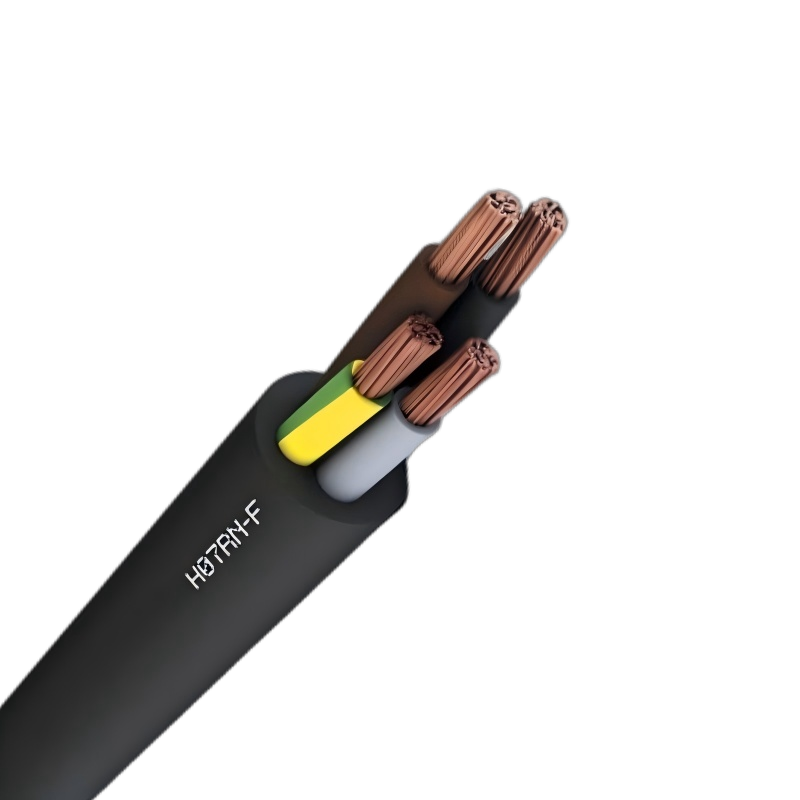
 H07RN-F 4G6Name: h07rn-f 4g6
Cable Type: Rubber power and control cable
Number of Conductors: 4
Temperature range: -25°C to +60°
Nominal Voltage: 450 / 750 VDetails H07RN-F 4G1.5Name: h07rn-f 4g1.5
Cable Type: Rubber power and control cable
Number of Conductors: 4
Temperature range: -25°C to +60°
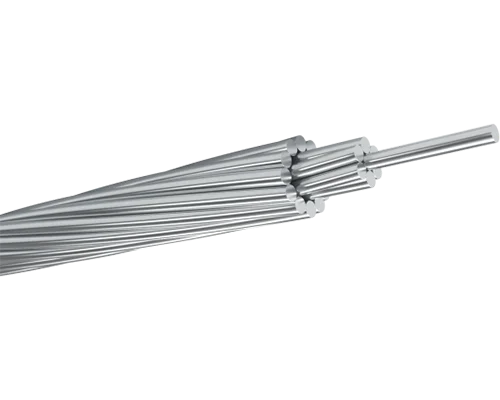
Nominal Voltage: 450 / 750 VDetails") AAAC-All Aluminum Alloy Conductor (1120)Concentric lay stranded Aluminium Alloy Conductors (AAAC) are made out of high strength Aluminium-Magnesium-Silicon Alloy.Details
AAAC-All Aluminum Alloy Conductor (1120)Concentric lay stranded Aluminium Alloy Conductors (AAAC) are made out of high strength Aluminium-Magnesium-Silicon Alloy.Details
Get in Touch
*We respect your confidentiality and all information are protected.