
Are Overhead Cables the Best Choice for Your Infrastructure?
Understanding Overhead Cables
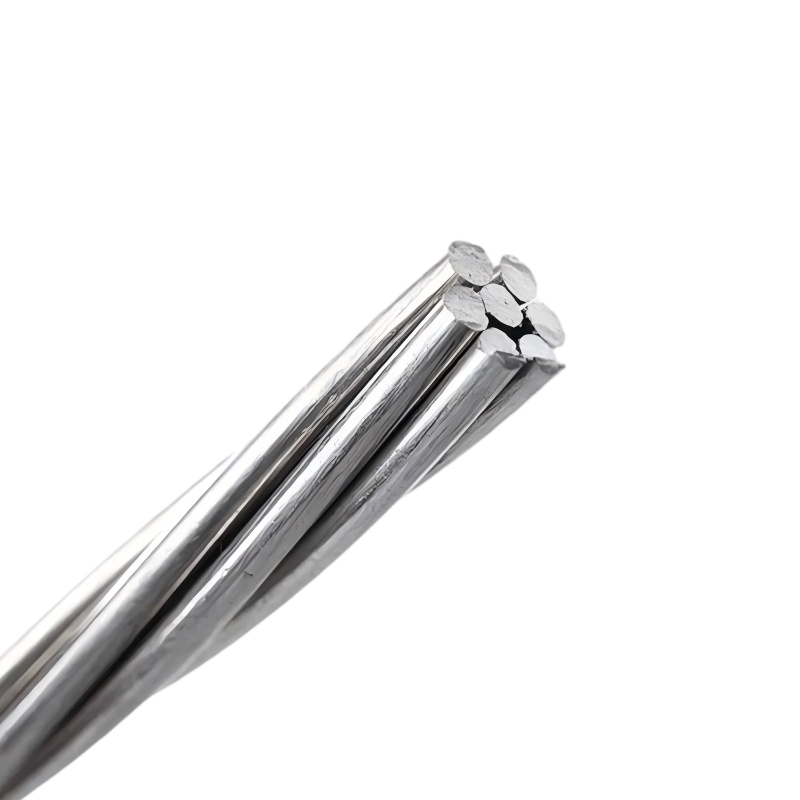
Overhead cables, also known as aerial cables, are suspended above the ground on poles or towers. They are widely used in power distribution, telecommunications, and railway electrification. Unlike underground cables, overhead cables are exposed to environmental factors such as wind, ice, and UV radiation, which necessitates robust design and materials.
One of the primary advantages of overhead cables is their cost-effectiveness. Installation and maintenance are generally less expensive compared to underground systems. Additionally, overhead cables are easier to inspect and repair, reducing downtime in case of faults.
Technical Specifications of Overhead Cables
Overhead cables must meet stringent technical requirements to ensure reliability and safety. Key parameters include:
- Conductor material: Typically aluminum or copper, chosen for conductivity and mechanical strength.
- Insulation: Cross-linked polyethylene (XLPE) is common due to its durability and resistance to environmental stress.
- Mechanical protection: Galvanized steel tape or armor may be added for enhanced durability.
Our N2XRGBY (KYJV32) cable, for example, features copper conductors and XLPE insulation, making it ideal for control and monitoring circuits. It complies with IEC 60228 and IEC 60502-1 standards, ensuring high performance in diverse applications.
Applications of Overhead Cables
Overhead cables are used in various industries, including:
- Power Distribution: High-voltage overhead lines transmit electricity over long distances with minimal losses.
- Railway Electrification: Overhead contact systems power electric trains efficiently.
- Telecommunications: Aerial fiber-optic cables provide high-speed data transmission.
In control and protection circuits, cables like the N2XRGBY (KYJV32) offer reliable performance due to their resistance to abrasion, moisture, and sunlight. These properties make them suitable for fixed laying in harsh environments.
Comparison with Underground Cables
When deciding between overhead and underground cables, consider the following factors:
For projects where cost and ease of maintenance are priorities, overhead cables like our ISO9001-certified N2XRGBY (KYJV32) are often the preferred choice.
Standards and Certifications
Quality assurance is critical when selecting overhead cables. Reputable manufacturers adhere to international standards such as:
- ISO9001: Ensures consistent quality management practices.
- IEC 60228: Specifies conductor requirements.
- IEC 60502-1: Covers power cables with rated voltages up to 30 kV.
Hebei Yongben Wire and Cable Co., Ltd. holds ISO9001 certification, reflecting our commitment to quality. Our N2XRGBY (KYJV32) cable meets these standards, providing reliable performance for infrastructure projects.
Procurement Guidelines
When purchasing overhead cables, consider the following:
- Voltage Rating: Ensure the cable meets your project's voltage requirements.
- Conductor Type: Choose between solid or stranded conductors based on flexibility needs.
- Environmental Conditions: Select cables with appropriate resistance to moisture, UV, and abrasion.
- Certifications: Verify compliance with relevant standards like ISO9001 and IEC.
Our N2XRGBY (KYJV32) cable, with its AC rated voltage of 0.6/1kV and below, is versatile for various applications. Its copper conductors and XLPE insulation ensure durability and performance.
Common Misconceptions
Several myths surround overhead cables, including:
- Myth 1: Overhead cables are less reliable than underground cables. In reality, proper design and maintenance ensure high reliability.
- Myth 2: Overhead cables are unsafe. Modern designs incorporate safety features like insulated conductors and grounding.
- Myth 3: Overhead cables are unsuitable for urban areas. With careful planning, they can be integrated effectively.
Products like the N2XRGBY (KYJV32) demonstrate that overhead cables can meet rigorous safety and performance standards.
Cost Analysis
Overhead cables typically offer lower initial costs compared to underground alternatives. Key cost components include:
- Materials: Conductors, insulation, and protective layers.
- Installation: Labor and equipment for pole or tower erection.
- Maintenance: Periodic inspections and repairs.
For budget-conscious projects, overhead cables provide a cost-effective solution without compromising quality. Our N2XRGBY (KYJV32) cable, with its competitive pricing and robust design, exemplifies this balance.
Why Choose Hebei Yongben?
Hebei Yongben Wire and Cable Co., Ltd. specializes in high-quality wires and cables, certified for 28 European countries and exported to over 100 regions. Our products, including the N2XRGBY (KYJV32), are designed to meet the highest industry standards.
Key advantages of partnering with us include:
- Customization: Tailored solutions for high and low-voltage applications.
- Certifications: Compliance with CCC, ISO9001, and international standards.
- Global Reach: Proven track record in diverse markets.
Contact us today to discuss your overhead cable needs and discover how our ISO9001-certified solutions can enhance your infrastructure projects.
Get in Touch
*We respect your confidentiality and all information are protected.