
The Future of Network Cabling: Emerging Technologies for 2026 and Beyond
The Next Generation of Network Cabling Technologies
As digital transformation accelerates globally, the demand for advanced network cabling solutions is reaching unprecedented levels. By 2026, the structured cabling market is projected to grow at 7.2% CAGR, driven by 5G deployments, IoT expansion, and hyperscale data center construction. Hebei Yongben Wire and Cable Co.,Ltd., with our ISO9001-certified manufacturing facilities in Handan, China, is at the forefront of developing next-generation cabling technologies that address these evolving connectivity needs.
Key Drivers Shaping Network Cabling Evolution
Three technological megatrends are fundamentally altering network cabling requirements:
- Data center consolidation requiring 40% higher density cabling
- Edge computing deployments demanding ruggedized outdoor solutions
- PoE++ (IEEE 802.3bt) standards enabling 90W power delivery over cables
Emerging Cable Technologies for 2026
The cable industry is responding to these challenges with groundbreaking innovations in materials and design:
1. OM5 Multimode Fiber Advancements
The new generation of wideband multimode fiber (WBMMF) supports wavelengths between 850nm and 950nm, enabling:
For industrial applications requiring robust power distribution, our XLPE Insulated 150mm2 4 Cores Aluminum Cable 4x150mm2 delivers exceptional performance in damp environments with its cross-linked polyethylene insulation and 300A ground ampacity rating.
2. Single Pair Ethernet (SPE) Cabling
The emerging IEEE 802.3cg standard enables 10Mbps transmission over single twisted pair cables up to 1000m, revolutionizing industrial IoT deployments. Key benefits include:
- 60% reduction in cable weight and diameter
- Power delivery up to 52W via PoDL
- Simplified installation in tight spaces
Smart Cabling Solutions for Modern Infrastructure
The integration of digital technologies into physical cabling systems is creating new opportunities for intelligent infrastructure management.
1. RFID-Enabled Cable Tracking
Embedded RFID tags in cable jackets allow for:
2. Eco-Conscious Cable Materials
Sustainable alternatives are gaining traction in the industry:
- Bio-based polyethylene insulation
- Halogen-free flame retardant compounds
- Recyclable aluminum conductors
Our aluminum conductor cables, including the XLPE Insulated 150mm2 4 Cores Aluminum Cable, offer 40% weight reduction compared to copper equivalents while maintaining excellent conductivity for power distribution networks.
Implementation Considerations for Procurement Teams
When evaluating next-generation cabling solutions, project managers should consider these critical factors:
1. Future-Proofing Your Infrastructure
Key planning parameters for long-term viability:
- Minimum 25% spare capacity in cable trays
- Support for 40G/100G migration paths
- Backward compatibility with existing systems
2. Total Cost of Ownership Analysis
While advanced cables may have 15-20% higher upfront costs, they typically deliver:
- 30-50% longer service life
- 40% lower maintenance requirements
- 20% energy savings in active equipment
Preparing for the Cabling Revolution
As a leading manufacturer with products certified in 28 European countries and exported to over 100 regions, Hebei Yongben Wire and Cable Co.,Ltd. stands ready to help procurement specialists and project managers navigate these technological shifts.
Contact our technical team today to discuss how our future-ready cabling solutions can power your infrastructure projects through 2026 and beyond.
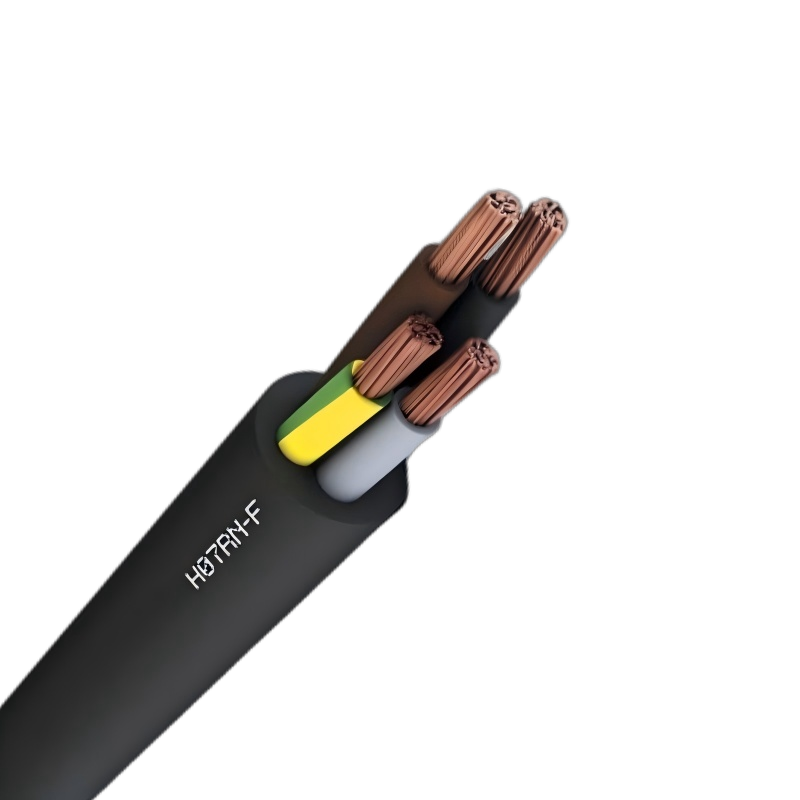
 H07RN-F 4G4Name: h07rn-f 4g4
Cable Type: Rubber power and control cable
Number of Conductors: 4
Temperature range: -25°C to +60°
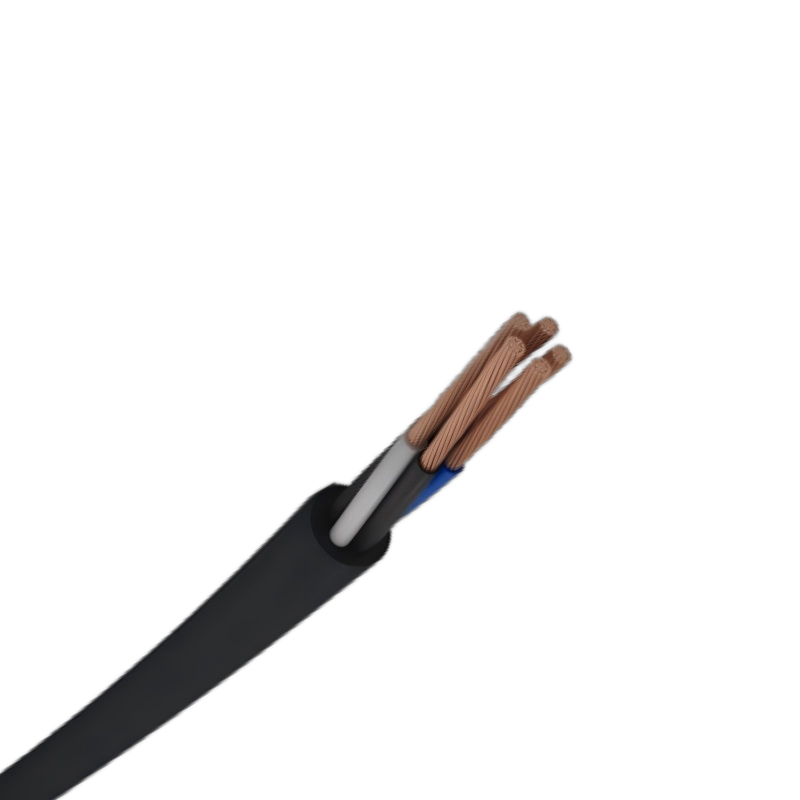
Nominal Voltage: 450 / 750 VDetails H05RN-F 3G 0.75Name: h05rn-f 3g 0.75
Cable Type: Rubber power and control cable
Insulation: Ethylene-Propylene rubber
Temperature range: -25°C to +60°
Nominal Voltage: 300/500VDetails 96 Core OPGW CableName: 96 core opgw cable
Structure: Stranded Loose Tube
Jacket: steel tube
Material: Surrounded Aluminum WiresDetails

Get in Touch
*We respect your confidentiality and all information are protected.