
How Often Should You Inspect ACSR Cables in Substations?
Understanding ACSR Cable Inspection Frequency in Substations
As a project manager overseeing substation operations, ensuring the reliability of your ACSR cables is critical. Regular inspections of ACSR cable for substations prevent costly downtime and safety hazards. This guide explores optimal inspection frequencies based on environmental factors, load conditions, and industry best practices to help you maintain uninterrupted power distribution while extending cable lifespan.
Key Factors Determining Inspection Intervals
The frequency of ACSR cable inspections depends on multiple operational and environmental variables. Substations in coastal areas with high salt content in the air typically require quarterly inspections due to accelerated corrosion risks. In contrast, inland facilities with stable weather conditions may extend intervals to 6-12 months.
Load conditions significantly impact inspection needs. Cables operating at 80-100% of their rated capacity (like those carrying 789Amps continuous current) demand more frequent monitoring than lightly loaded circuits. The IEC 61089 All Aluminum Stranded Conductor AAC 630mm2 demonstrates excellent corrosion resistance, potentially allowing longer intervals between checks in harsh environments.
Standard Inspection Checklist for ACSR Cables
A comprehensive inspection should cover these critical aspects:
- Visual corrosion assessment (particularly at connection points)
- Strand integrity check for broken wires (maximum 3% allowed per 30cm span)
- Thermal imaging to detect hot spots exceeding 90°C
- Sag measurement compared to original installation specifications
- Insulator condition and contamination levels
Industry Standards and Compliance Requirements
The IEC 61089 standard provides baseline requirements for aluminum conductors used in overhead lines. While the standard specifies material properties and mechanical performance (including the 100.8KN rated strength for 630mm² conductors), actual maintenance schedules should follow local grid operator regulations.
Many utilities adopt a risk-based inspection approach, categorizing substations into three priority levels:
- Critical (500kV+ transmission): Monthly visual + quarterly detailed inspections
- Important (110-220kV distribution): Quarterly visual + annual detailed
- General (below 110kV): Biannual visual + biennial detailed
Advanced Monitoring Techniques
Modern substations increasingly implement continuous monitoring systems to supplement periodic inspections. These technologies provide real-time data on:
- Dynamic line rating (adjusting capacity based on ambient conditions)
- Partial discharge detection for early insulation failure warning
- Corrosion rate monitoring through specialized sensors
For conductors like the AAC 630mm2 with 61 strands of 3.63mm diameter aluminum wires, vibration monitoring becomes crucial in high-wind areas to prevent fatigue failures.
FAQ: Common Questions About ACSR Cable Inspections
How does conductor material affect inspection frequency?
All-aluminum conductors generally require less frequent inspections than ACSR in similar environments due to better corrosion resistance. The hard drawn 1350 aluminum alloy used in IEC 61089 compliant cables maintains conductivity (0.0458Ω at 20°C) even after years of service.
What's the cost impact of different inspection intervals?
A balanced approach typically yields the best ROI. While quarterly inspections might add 15-20% to maintenance budgets, they can prevent 80% of unexpected failures. The 1738.3kg/km weight of 630mm² conductors means early detection of support issues prevents costly structural damage.
When should complete cable replacement be considered?
Replacement becomes necessary when inspections reveal: multiple broken strands exceeding 10% of total wires, consistent thermal hotspots above 110°C, or corrosion reducing cross-sectional area by more than 15%.
Why Choose Our Cable Solutions for Your Substation
With certifications in 28 European countries and compliance with CCC and ISO9001 standards, our cables are engineered for reliability in demanding substation environments. The IEC 61089 All Aluminum Stranded Conductor offers exceptional performance with:
- Optimized 61-strand design for maximum flexibility and strength
- 32.67mm diameter providing excellent surface area for heat dissipation
- 789A continuous current rating for high-load applications
Contact our engineering team to discuss customized inspection schedules or request technical specifications for your next substation project. Our experts can help you balance safety requirements with operational efficiency based on your specific environmental conditions and load profiles.
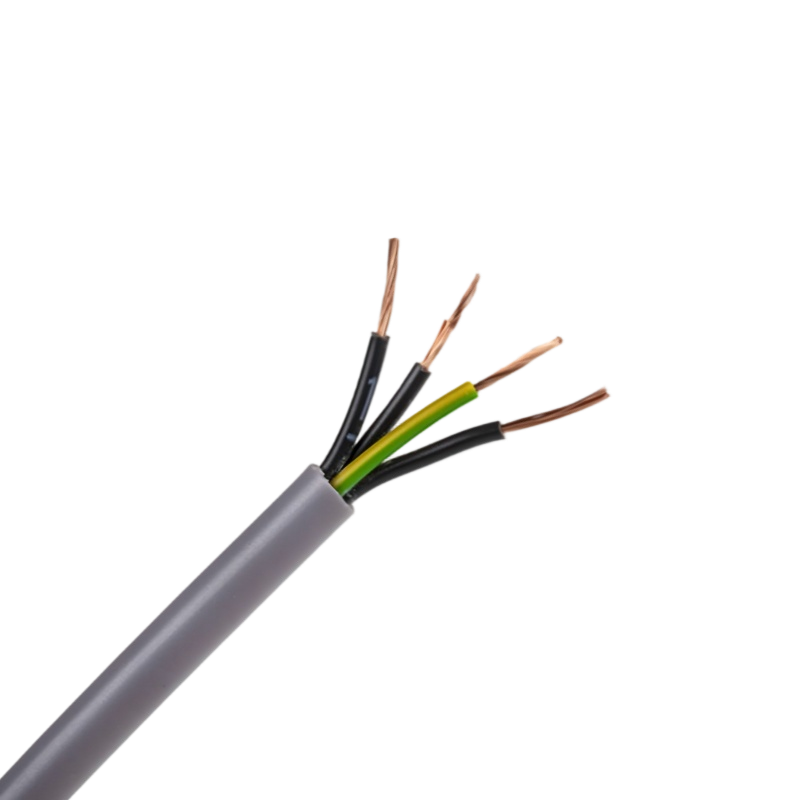
 YY Control Cable-PVC Insulated Flexible Control Cable VDE 0250CU PVC PVC Control Cable
Voltage Rating: 300/500V
Conductor: soft annealed copper
Insulation: PVC
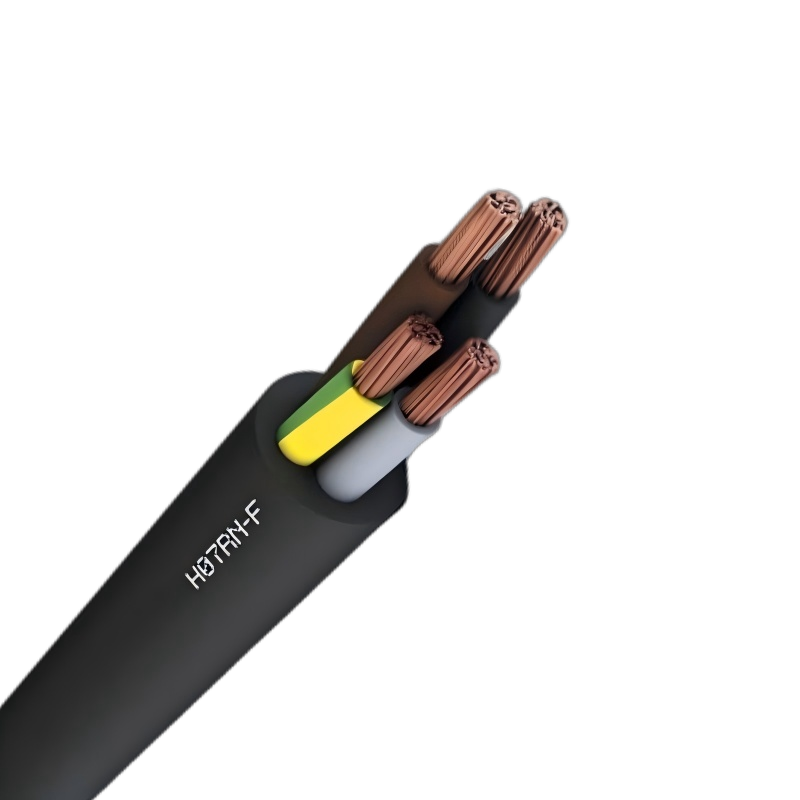
Sheath: PVCDetails H07RN-F 5G1.5Name: h07rn-f 5g1.5
Cable Type: Rubber power and control cable
Number of Conductors: 5
Temperature range: -25°C to +60°
Nominal Voltage: 450 / 750 VDetails
Get in Touch
*We respect your confidentiality and all information are protected.