
The 5 Most Common Problems with ACSR Cables in Substations
Understanding ACSR Cable Challenges in Substation Environments
ACSR cables for substations play a critical role in power transmission, yet they often face unique challenges in harsh electrical environments. As project managers and engineering leads, understanding the 5 most common issues with these aluminum conductor steel-reinforced cables can prevent costly downtime and safety hazards. From corrosion to mechanical stress, this article reveals practical insights to help you select and maintain reliable ACSR cables that meet international standards like CCC and ISO9001.
1. Corrosion: The Silent Performance Killer
Substation environments expose ACSR cables to multiple corrosion risks:
- Galvanic corrosion between aluminum and steel components
- Atmospheric corrosion from salt, sulfur, or industrial pollutants
- Electrolytic corrosion in damp or flooded conditions
A 2022 industry study showed that corrosion-related failures account for 38% of premature ACSR cable replacements in coastal substations. Proper material selection and protective coatings can extend service life by 15-20 years.
2. Mechanical Stress and Vibration Fatigue
Substation ACSR cables face unique mechanical challenges:
For critical substation connections, consider XLPE Insulated 120mm2 5 Cores Copper Cable 5x120mm2 with superior vibration resistance and thermal stability (-15 to +90°C operating range).
Technical Performance Considerations
3. Current Carrying Capacity Limitations
Substation ACSR cables often operate near their thermal limits:
- Typical derating factors: 15-25% for substation environments
- Emergency overload capacity: Typically 130% for 4 hours
- Short-circuit withstand: 250°C maximum for ACSR
4. Insulation Degradation in Harsh Conditions
Substation environments accelerate insulation breakdown:
Procurement and Maintenance Solutions
5. Installation and Maintenance Challenges
Common substation-specific installation issues include:
- Minimum bending radius violations (typically 12-15x cable diameter)
- Improper clevis/suspension hardware selection
- Inadequate phase spacing (minimum 300mm for 33kV systems)
Selecting the Right Cable for Your Substation
When specifying ACSR cables for substation applications, consider these key parameters:
- Conductor size: Balance between ampacity and mechanical strength
- Stranding configuration: Impacts flexibility and fatigue resistance
- Corrosion protection: Zinc coating weight and type (Class A vs Class C)
For critical power distribution applications, our XLPE Insulated 120mm2 5 Cores Copper Cable 5x120mm2 offers superior performance with 310A ampacity in air and 345A when buried.
FAQ: Addressing Common Substation Cable Concerns
How often should substation ACSR cables be inspected?
Recommended inspection intervals:
- Visual inspection: Quarterly
- Thermal imaging: Annually
- Tension measurement: Every 2-3 years
What's the typical lifespan of ACSR in substations?
With proper maintenance:
- Standard ACSR: 25-35 years
- Corrosion-resistant ACSR: 35-50 years
Why Choose Hebei Yongben for Your Substation Cable Needs
With certifications in 28 European countries and ISO9001 compliance, our solutions address the toughest substation challenges:
- Customized high/low-voltage cross-linked cables
- Long-life wire formulations tested in extreme conditions
- Technical support for complex substation layouts
Contact our engineering team today for:
- Site-specific corrosion protection recommendations
- Custom cable configurations for unique substation requirements
- Certification documentation for your project specifications
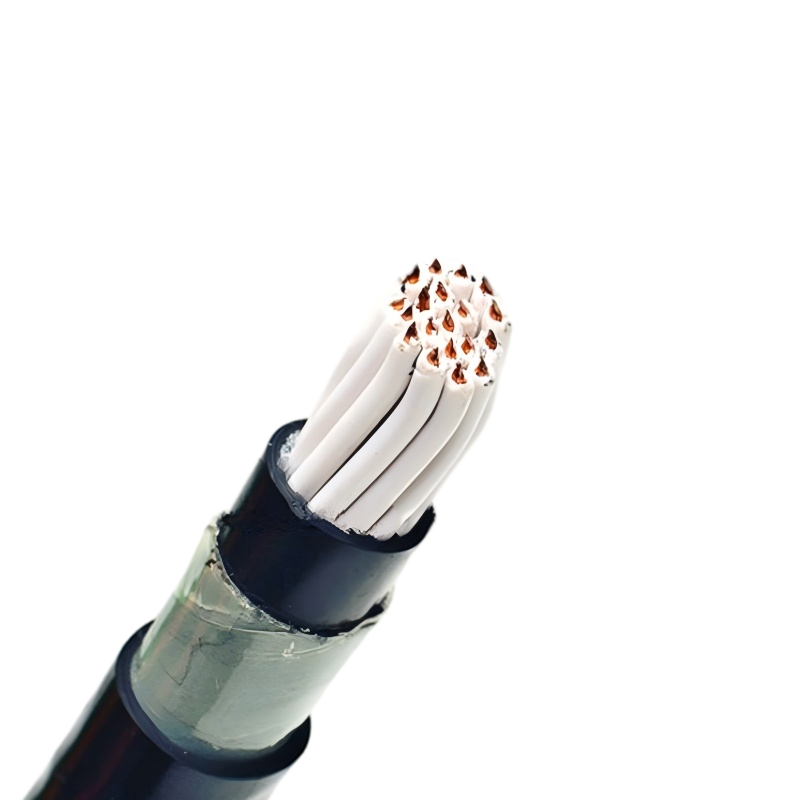
 KVV22 Control Cable-PVC Insulated Steel Tape Armoured Copper CablesKVV22 Control Cable-PVC Insulated Steel Tape Armoured Copper Cables
Voltage Rating: 450/750 Volts,
Conductor: soft annealed copper
Insulation: PVC
Armoured material Steel tape
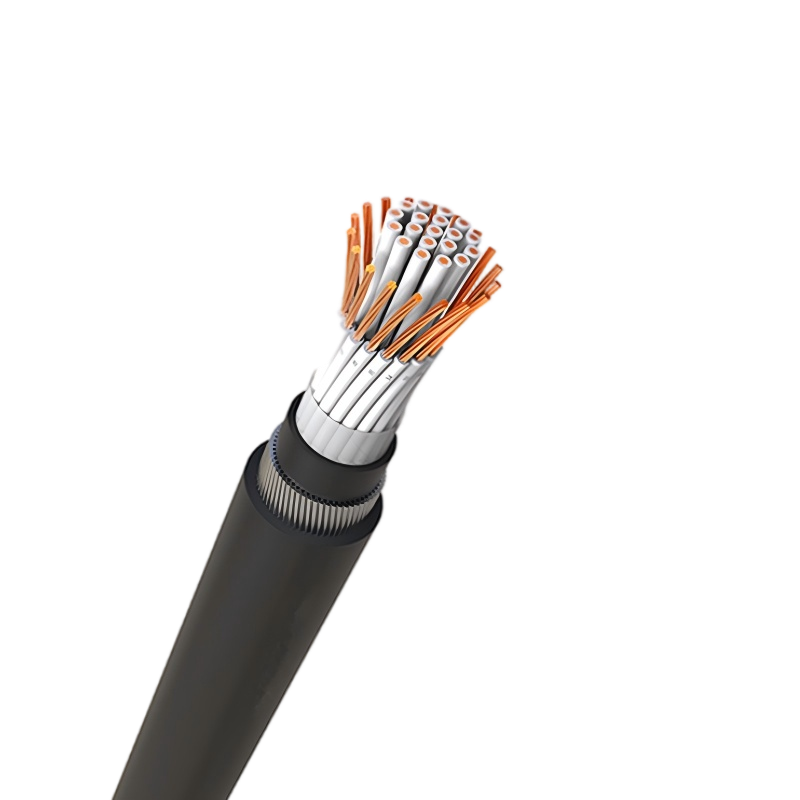
Sheath PVCDetails 1.5mm 2.5mm 19 Core Steel Wire Armoured SWA CablePVC Insulated, PVC Sheathed Armoured 19 Core Control Cable 0.6/1kV
Conductor: Copper
Insulation: PVC
Voltage: 600/1000V
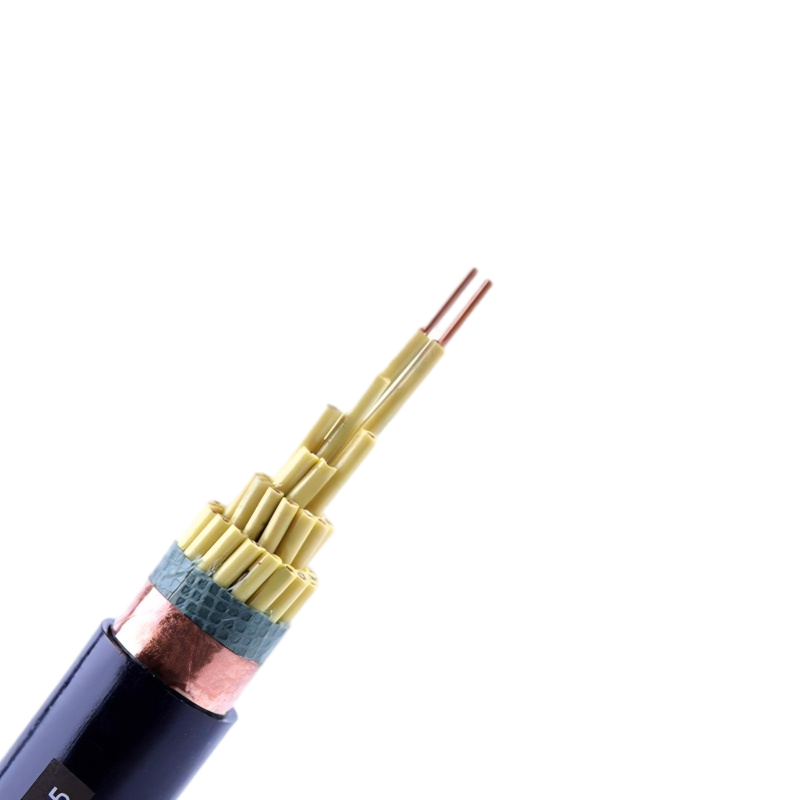
Package: Export wooden drumDetails CVVS Control Cable-Copper Tape Shielded Industrial CableCVVS Control Cable
Voltage Rating: 450/750 Volts,
Conductor: soft annealed copper
Insulation: PVC
Shield: Copper Tape
Sheath: PVCDetails
Get in Touch
*We respect your confidentiality and all information are protected.