
How to Properly Install THHN Cables to Avoid Safety Hazards?
Proper installation of THHN cables is crucial for ensuring electrical safety and system reliability. As a leading ISO 9001 certified cable manufacturer, Hebei Yongben Wire and Cable Co.,Ltd. shares expert guidance on THHN cable installation best practices. This article provides procurement professionals with essential safety measures to prevent hazards while maintaining optimal performance of your electrical systems.
Understanding THHN Cable Specifications
THHN (Thermoplastic High Heat-resistant Nylon-coated) cables represent a critical component in modern electrical systems, particularly in commercial and industrial applications. These cables feature a thermoplastic insulation with a nylon jacket, providing excellent heat resistance (typically rated for 90°C in dry conditions) and mechanical protection. The ISO 9001 certification of THHN cables from manufacturers like Hebei Yongben ensures consistent quality control throughout production, guaranteeing that the cables meet stringent international standards for electrical conductivity, insulation resistance, and durability. When selecting THHN cables, procurement professionals should pay special attention to the conductor material (usually copper or aluminum), insulation thickness, voltage rating, and temperature tolerance to ensure compatibility with their specific application requirements.
Critical Installation Procedures for THHN Cables
Proper installation begins with careful planning of the cable routing path to avoid sharp bends that could damage the conductor or insulation. The National Electrical Code (NEC) specifies minimum bending radii for THHN cables - typically 5 times the cable diameter for non-shielded cables. When pulling cables through conduits, use proper lubricants to reduce friction and prevent insulation abrasion. Our ISO 9001 certified manufacturing process ensures that every THHN cable from Hebei Yongben maintains uniform insulation thickness, significantly reducing installation failures. For vertical runs, secure cables at appropriate intervals (usually every 5 feet) to prevent excessive stress on the conductors. Always maintain proper separation from other cables and avoid overcrowding in raceways to prevent overheating - a common cause of premature cable failure.
Safety Hazards to Avoid During Installation
One of the most critical safety considerations when working with THHN cables involves preventing insulation damage that could lead to short circuits or electrical fires. Common hazards include using improper tools that nick the conductor, exceeding the cable's ampacity rating, and exposing cables to temperatures beyond their rated capacity. Our ISO 9001 quality management system includes rigorous testing of THHN cables' insulation resistance and dielectric strength to ensure they can withstand the electrical stresses of their intended applications. Procurement professionals should verify that their THHN cables carry appropriate certifications (such as UL, CSA, or CE) for their region, as Hebei Yongben's products do for 28 European countries. Special attention should be paid to termination points - improper stripping can leave exposed conductors, while overtightening lugs can damage the cable's structural integrity.
Comparative Analysis: THHN vs. Other Cable Types
When evaluating cable options for industrial applications, procurement professionals often compare THHN with alternatives like H07RN-F 5G25 rubber cables. While THHN excels in fixed indoor installations with its high heat resistance and cost-effectiveness, the H07RN-F series proves superior for mobile equipment in harsh environments. The 5-core 25mm² H07RN-F variant offers exceptional flexibility and oil resistance, making it ideal for construction sites and agricultural machinery. Both cable types undergo rigorous testing in our ISO 9001 certified facilities, but their distinct material compositions (thermoplastic vs. rubber) dictate different installation methods and maintenance requirements. Understanding these differences helps procurement teams make informed decisions based on application-specific needs.
Maintenance and Inspection Best Practices
Regular inspection of installed THHN cables forms a crucial part of any preventive maintenance program. Look for signs of insulation cracking, discoloration (indicating overheating), or physical damage from environmental factors. Our ISO 9001 certification process includes accelerated aging tests to ensure Hebei Yongben's THHN cables maintain their performance characteristics over extended periods. Thermal imaging can identify hot spots in electrical systems before they become critical failures. For environments requiring more robust solutions than standard THHN, consider our H07RN-F 5G25 cables, which feature enhanced resistance to mechanical stress and casual oil contact. Document all inspections and maintenance activities to establish a history of cable performance and identify potential systemic issues.
Why Choose Hebei Yongben for Your Cable Needs
With over two decades of experience in cable manufacturing and ISO 9001 certification, Hebei Yongben Wire and Cable Co., Ltd. stands as a trusted partner for procurement professionals worldwide. Our THHN cables undergo 28 separate quality checks during production, ensuring compliance with international standards and customer specifications. Beyond standard products, we offer customized cable solutions tailored to unique voltage requirements, environmental conditions, and installation challenges. The same rigorous quality standards apply to our specialized offerings like the H07RN-F series for demanding industrial applications. With certifications accepted in 100+ countries and regions, our cables provide the reliability and safety that electrical systems demand. Contact our technical team today for personalized guidance on selecting and installing the perfect cable solution for your specific needs.
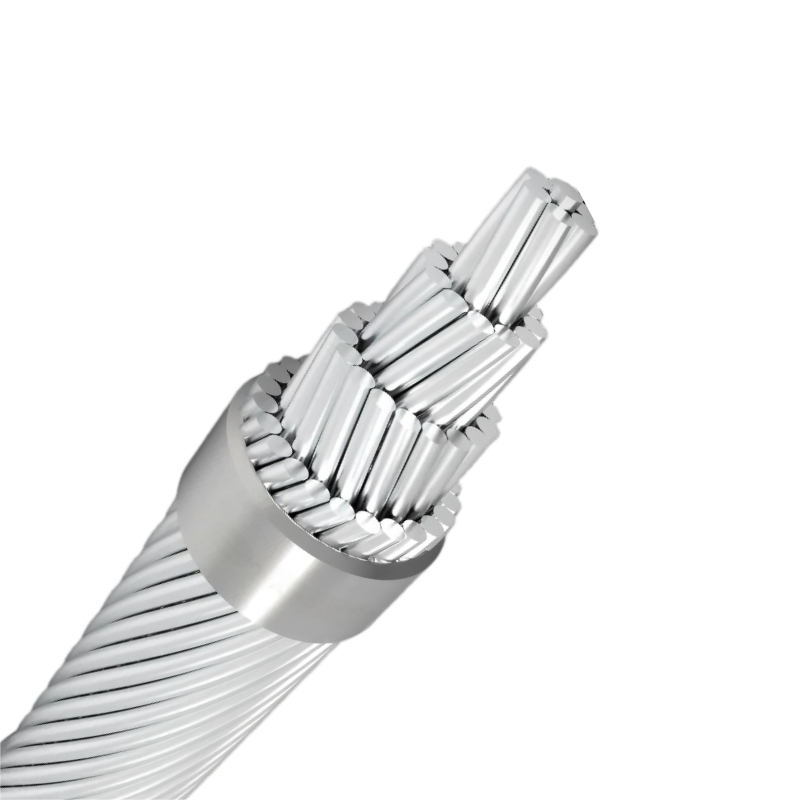
 AAAC-All Aluminum Alloy Conductors IS 398 PART 4AAAC-IS 398 PART 4
Shape of conductor: Stranded circular
Sectional area: 15 - 767mm2
Insulation: N/A
Standard: AAAC-IS 398 PART 4Details") AAAC-All Aluminum Alloy Conductor (6201)Concentric lay stranded Aluminium Alloy Conductors (AAAC) are made out of high strength Aluminium-Magnesium-Silicon Alloy.Details
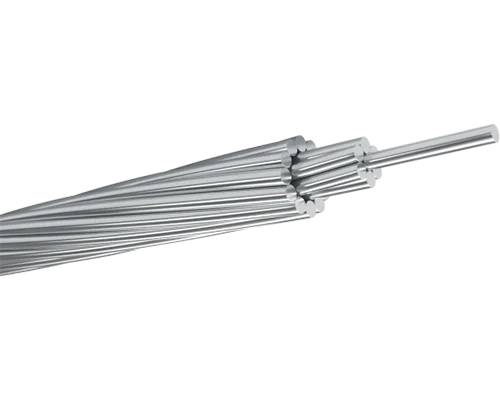
AAAC-All Aluminum Alloy Conductor (6201)Concentric lay stranded Aluminium Alloy Conductors (AAAC) are made out of high strength Aluminium-Magnesium-Silicon Alloy.Details") AAAC-All Aluminum Alloy Conductor (1120)Concentric lay stranded Aluminium Alloy Conductors (AAAC) are made out of high strength Aluminium-Magnesium-Silicon Alloy.Details
AAAC-All Aluminum Alloy Conductor (1120)Concentric lay stranded Aluminium Alloy Conductors (AAAC) are made out of high strength Aluminium-Magnesium-Silicon Alloy.Details
Get in Touch
*We respect your confidentiality and all information are protected.