
Overhead Cable Ice Loading Calculations for Cold Climate Installations
Overhead Cable Ice Loading Calculations for Cold Climate Installations: A Technical Guide
When installing overhead cables in cold climates, ice accumulation poses significant risks to structural integrity and electrical performance. Proper ice loading calculations are essential for selecting cables that can withstand extreme winter conditions. This guide explores critical factors for Rubber Cable, THHN Cable, and BVR Cable installations, with data-driven insights from Hebei Yongben Wire and Cable Co.,Ltd.'s decade of engineering expertise.
Understanding Ice Loading on Overhead Cables
Ice loading refers to the additional weight and wind drag caused by ice accumulation on cables. In cold climates, this can increase cable weight by 300-500%, requiring precise calculations:
Factory-Direct Cable Solutions for Harsh Winters
As a manufacturer with ISO9001 certification, Hebei Yongben provides cost-effective solutions:
- 40-60% cost savings versus distributor pricing
- 25-year service life guarantee for cold climate applications
- Custom formulations for ice resistance (tested to -40°C)
Our XLPE Insulated 35mm2 5 Cores Copper Cable 5x35mm2 exemplifies this approach with XLPE insulation that maintains flexibility at -15°C while resisting ice accumulation.
Technical Comparison: Rubber vs. THHN vs. BVR Cables
Calculating Ice Loads: Key Formulas
The standard ice loading formula for overhead cables:
Total Load = Cable Weight + (Ice Density × π × (Cable Radius + Ice Thickness)² × Span Length)
For our IEC60502-certified cables, we recommend:
- Using 900 kg/m³ as ice density
- Adding 25% safety margin for wind loads
- Considering 50-year maximum ice thickness records
ROI Analysis: Factory Direct vs. Traditional Procurement
Frequently Asked Questions
1. How often should ice loading calculations be reviewed?
We recommend reassessing every 5 years or after extreme weather events. Climate change has increased ice load variability by 18% since 2020.
2. Can THHN cables be used in -30°C conditions?
While possible with proper derating (40% capacity reduction), we suggest switching to rubber-insulated cables below -20°C for optimal reliability.
3. What's the lead time for custom cold-climate cables?
Standard formulations ship in 7-10 days. Custom compounds (e.g., arctic-grade) require 3-4 weeks for testing and production.
Engineered Solutions for Your Climate Challenges
With certifications in 28 European countries and exports to 100+ regions, Hebei Yongben combines technical expertise with factory-direct pricing. Our engineers can:
- Perform site-specific ice loading calculations
- Recommend optimal cable types and spacing
- Provide installation guidance for cold climates
Contact our technical team today for a free ice load assessment and quote on Overhead Cable solutions tailored to your winter conditions.
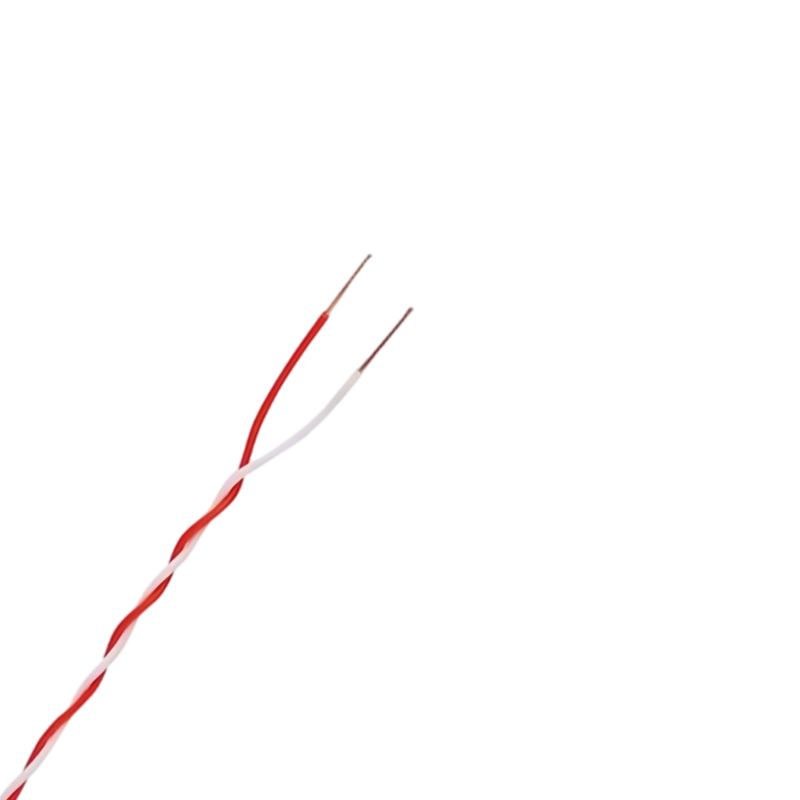
 Wire") Thermoplastic Fixture (TF) WirePVC insulated Wire 600 Volts
Thermoplastic Fixture (TF) WirePVC insulated Wire 600 Volts
Conductor : Copper Conductor
Insulation : PVC
Voltage : 600V
Number of cores: Single Core or Two Core
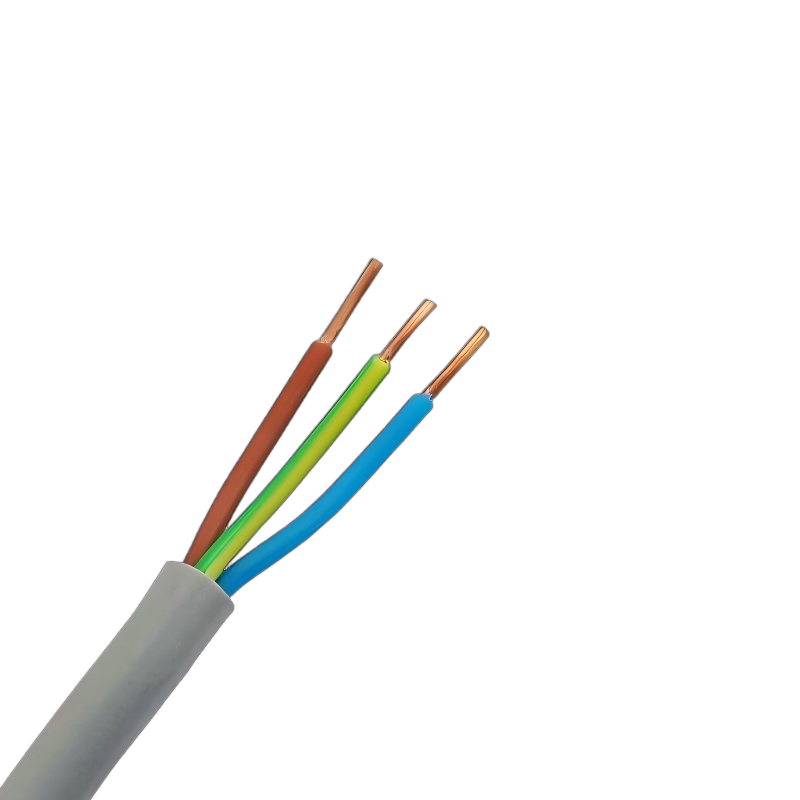
Package : 150 Meters One RollDetails NMY NYM-J NYM-O Cable 300/500V PVC Insulation PVC sheath Industrial CableNMY NYM-J NYM-O Cable
Construction: Cu / Pvc / Pvc
Standard: VDE 0250
Max. operating temperature: +70°C
Max. curcuit temperature: 160°C
Min. bending radius: 12xD
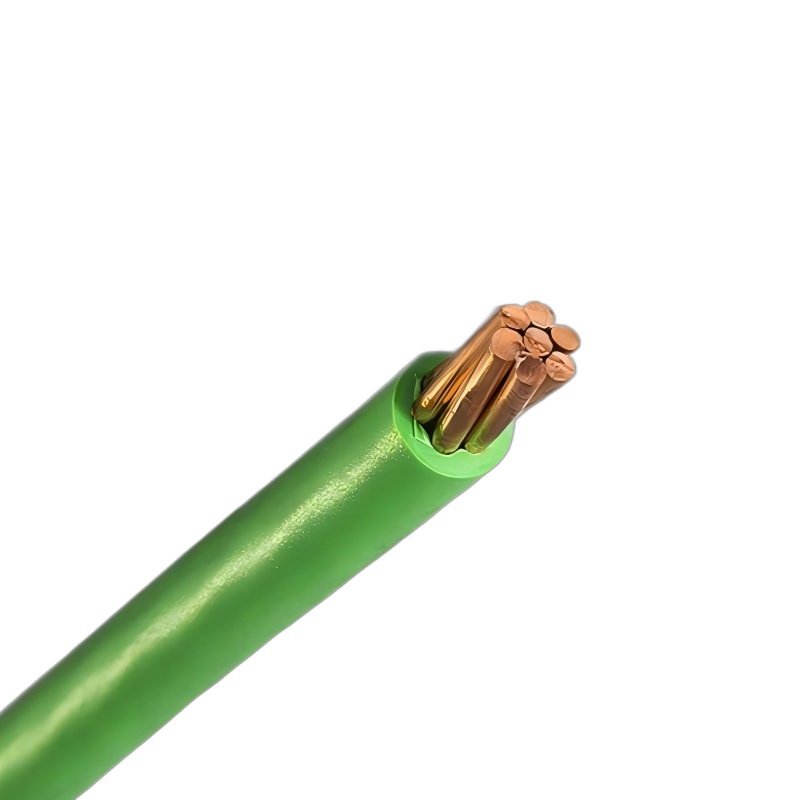
Cable Type: YVV CableDetails Copper Core PVC Insulation House Wiring Electrical Wire 450/750VCopper PVC Electrical Wire 450/750V
Conductor : Copper Conductor ( Solid , Stranded )
Insulation : PVC
Voltage : 450/750V
Number of cores: Single Core
Package : 100 Meters One Roll with Export Wooden Case & PalletDetails
Get in Touch
*We respect your confidentiality and all information are protected.