
Rubber Cable Safety Standards: What Engineers Need to Verify Before Installation
Rubber Cable Safety Standards: Essential Verification for Engineers
When installing rubber cables, THHN cables, BVR cables, or overhead cables, engineers must verify compliance with critical safety standards to ensure durability and performance. Hebei Yongben Wire and Cable Co., Ltd. provides certified solutions that meet international requirements, including CCC and ISO9001. Understanding these standards is essential for safe, long-lasting installations in diverse environments.
Why Safety Standards Matter for Rubber, THHN, BVR, and Overhead Cables
Electrical installations demand rigorous adherence to safety protocols. Rubber cables, THHN cables, BVR cables, and overhead cables each have unique requirements based on their applications:
- Rubber cables require flexibility and resistance to oils/chemicals
- THHN cables need high heat resistance for dry indoor locations
- BVR cables must maintain flexibility while handling higher currents
- Overhead cables demand weather resistance and mechanical strength
Key Standards Engineers Must Verify
International Certification Requirements
Factory Direct Advantages: Cost and Quality Comparison
Hebei Yongben's factory-direct model delivers significant advantages over traditional distributors:
Technical Specifications: What Engineers Should Check
Beyond certifications, engineers must verify these critical technical parameters before installation:
Rubber Cable Verification Points
- Insulation thickness (minimum 1.5mm)
- Oil resistance (tested to IEC 60811-2-1)
- Temperature range (-40°C to +90°C)
Overhead Cable Selection Criteria
For applications like 2x4/0+4/0awg Lepas Aluminum Conductor Triplex Overhead Service Drop Cable Wire, verify:
- Messenger breaking strength (≥8560 lbs)
- XLPE insulation thickness (60 mils minimum)
- Phase conductor stranding (19 strands for 4/0 AWG)
ROI Analysis: Factory Direct vs. Traditional Supply Chain
Frequently Asked Questions
1. What's the key difference between THHN and BVR cables?
THHN cables feature a single solid conductor with nylon coating for dry locations, while BVR cables use multiple stranded conductors for enhanced flexibility in fixed installations.
2. How does factory direct pricing achieve 30% savings?
By eliminating middlemen, Hebei Yongben reduces distribution costs (15-20%), inventory handling (5-8%), and logistics overhead (5-10%), passing savings directly to customers.
3. What certifications should I verify for overhead cables?
Essential standards include ICEA S-76-474 for mechanical performance and ANSI/ICEA B-232 for electrical properties. Our overhead service drop cable meets all relevant ANSI and ICEA requirements.
Partner with a Certified Manufacturer
With 28 European certifications and ISO9001 compliance, Hebei Yongben delivers factory-direct quality at competitive prices. Our engineers can help verify all safety standards for your specific rubber cable, THHN cable, BVR cable, or overhead cable requirements. Request technical specifications today to ensure your project meets international safety standards while optimizing costs.
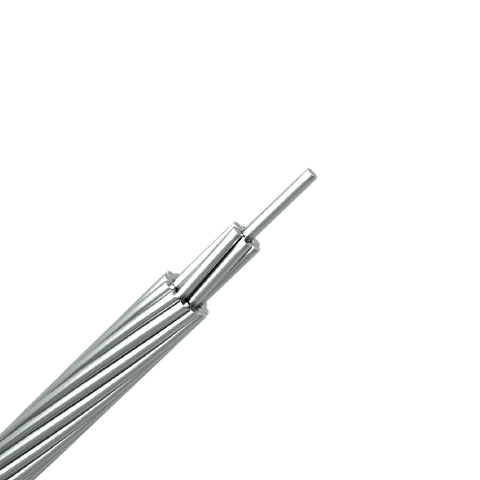
 ACSR Mink Conductor 60mm2Aluminum Conductor Steel Reinforced ACSR Mink Conductor 60mm2
Code name: Mink
Corss section area: 60mm2
Standard: BS 215 Part 2
Conductor Material: Aluminum and SteelDetails") AAAC-All Aluminum Alloy Conductor (6201)Concentric lay stranded Aluminium Alloy Conductors (AAAC) are made out of high strength Aluminium-Magnesium-Silicon Alloy.Details
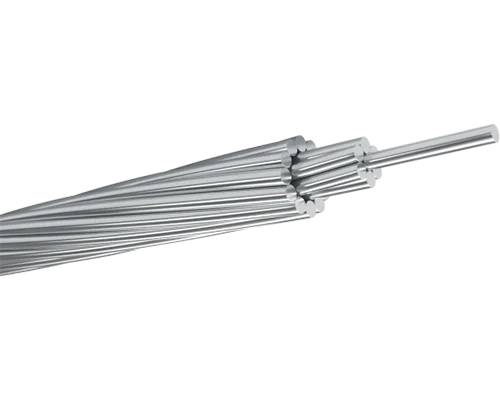
AAAC-All Aluminum Alloy Conductor (6201)Concentric lay stranded Aluminium Alloy Conductors (AAAC) are made out of high strength Aluminium-Magnesium-Silicon Alloy.Details") AAAC-All Aluminum Alloy Conductor (1120)Concentric lay stranded Aluminium Alloy Conductors (AAAC) are made out of high strength Aluminium-Magnesium-Silicon Alloy.Details
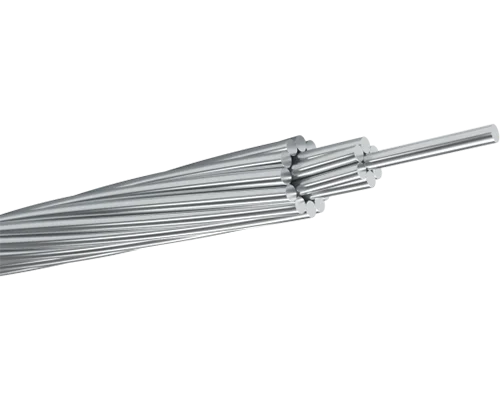
AAAC-All Aluminum Alloy Conductor (1120)Concentric lay stranded Aluminium Alloy Conductors (AAAC) are made out of high strength Aluminium-Magnesium-Silicon Alloy.Details
Get in Touch
*We respect your confidentiality and all information are protected.