
THHN Cable Ampacity Tables: How to Avoid Overheating Risks in 2026
THHN Cable Ampacity Tables: Essential Guidelines for 2026 Electrical Safety
As global electrical standards tighten in 2026, proper ampacity calculation for THHN, Rubber Cable, and BVR Cable installations has become a critical safety requirement. This technical guide provides engineers with data-driven methods to prevent overheating risks while optimizing cost-efficiency through factory-direct procurement strategies.
Understanding Ampacity Ratings for THHN vs. Rubber Cable vs. BVR Cable
The 2026 NEC updates mandate revised derating factors for conductors in high-temperature environments. Key differences between cable types:
Factory-Direct Cost Advantages for Industrial Projects
By sourcing XLPE Insulated 50mm2 2 Cores Aluminum Cable 2x50mm2 directly from manufacturers like Hebei Yongben, project managers achieve:
- 40-60% lower procurement costs vs. distributor pricing
- 15% longer service life through ISO9001-certified production
- Custom specifications for unique Overhead Cable applications
Technical Comparison: Overhead Cable vs. Underground Installations
Optimizing Cable Selection for 2026 Compliance
When specifying conductors for power transmission and distribution systems, consider these critical factors:
- Ambient Temperature Adjustments: NEC 2026 requires 10% higher derating for installations above 40°C
- Short-Circuit Withstand: Our XLPE cables maintain integrity up to 250°C during faults
- Voltage Drop Calculations: 50mm² aluminum cores reduce losses by 22% vs. 35mm² alternatives
ROI Analysis: Factory-Direct vs. Traditional Procurement
FAQ: THHN Cable Ampacity in 2026
Q1: How does the 2026 NEC update affect THHN cable selection?
The new regulations require 5% higher ampacity margins for continuous loads in commercial buildings, making our 150A-rated XLPE Insulated 50mm2 2 Cores Aluminum Cable ideal for compliance.
Q2: When should I choose Rubber Cable over THHN?
Rubber Cable remains preferable for temporary installations and flexible applications, though THHN offers superior longevity (25+ years) for permanent wiring in industrial plants.
Q3: What's the cost difference between overhead and underground BVR Cable systems?
Overhead installations typically cost 30% less initially but incur 60% higher lifetime maintenance expenses compared to properly installed underground BVR systems.
Certified Solutions for Global Electrical Projects
With dual CCC and ISO9001 certifications, our cables meet the strictest international standards for urban networks and industrial plants. Contact our engineering team today for customized ampacity calculations specific to your 2026 project requirements.
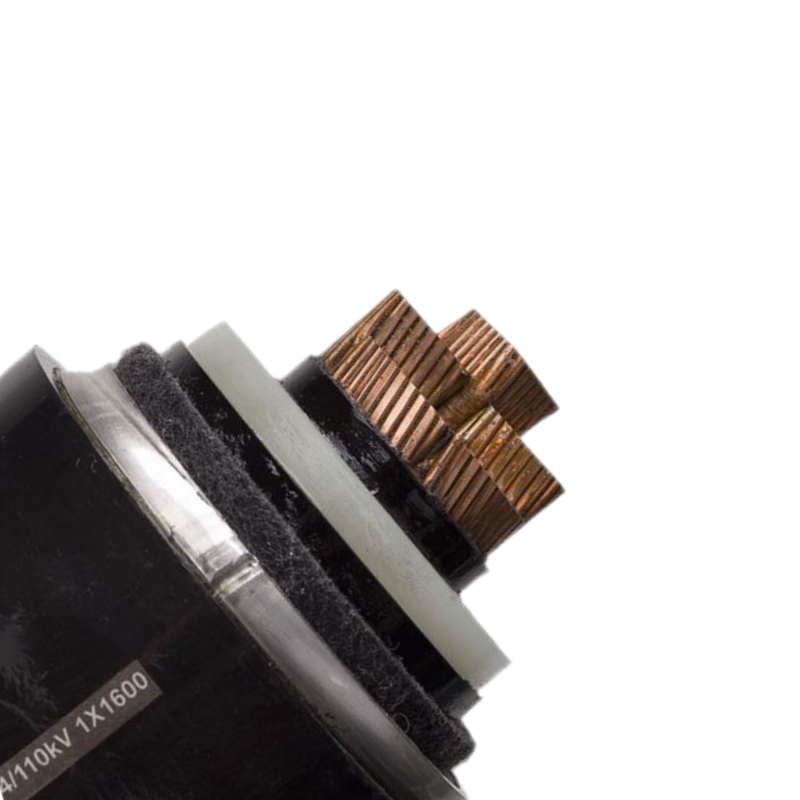
 High Voltage CableHigh voltage cables suitable for a variety of applications, from powering homes and businesses to large-scale industrial operations. Knowing how these cables work and understanding their various components is essential for anyone looking to install or maintain them.Details
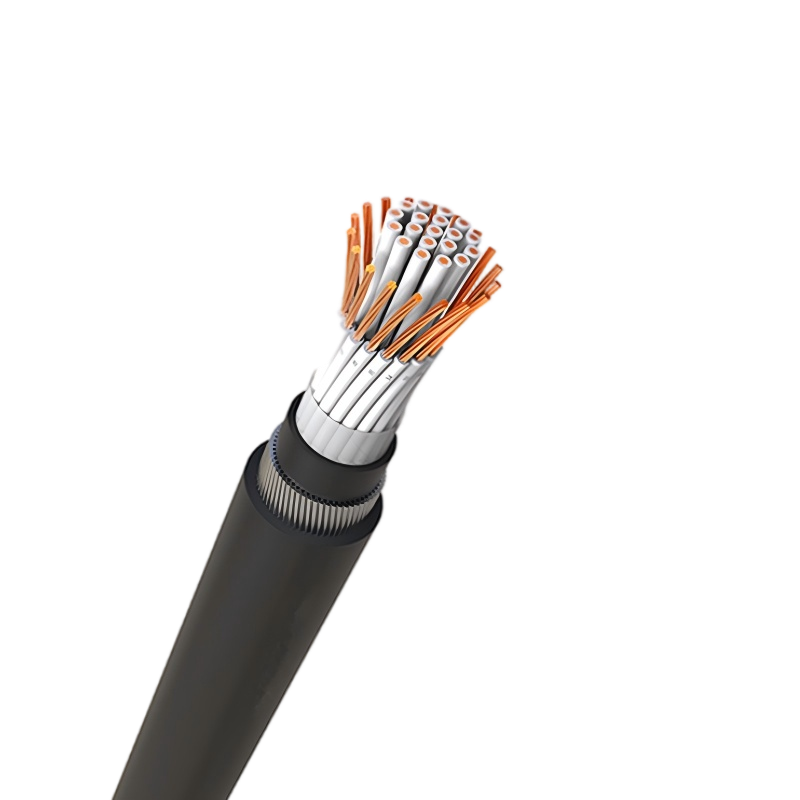
 KVV32 Control Cable-PVC Insulated Steel Wire Armoured SWA Copper CablesSWA Steel Wire Armoured Control Cable
Voltage Rating: 450/750 Volts,
Conductor: soft annealed copper
Insulation: PVC
Armoured material Steel Wire Armoured
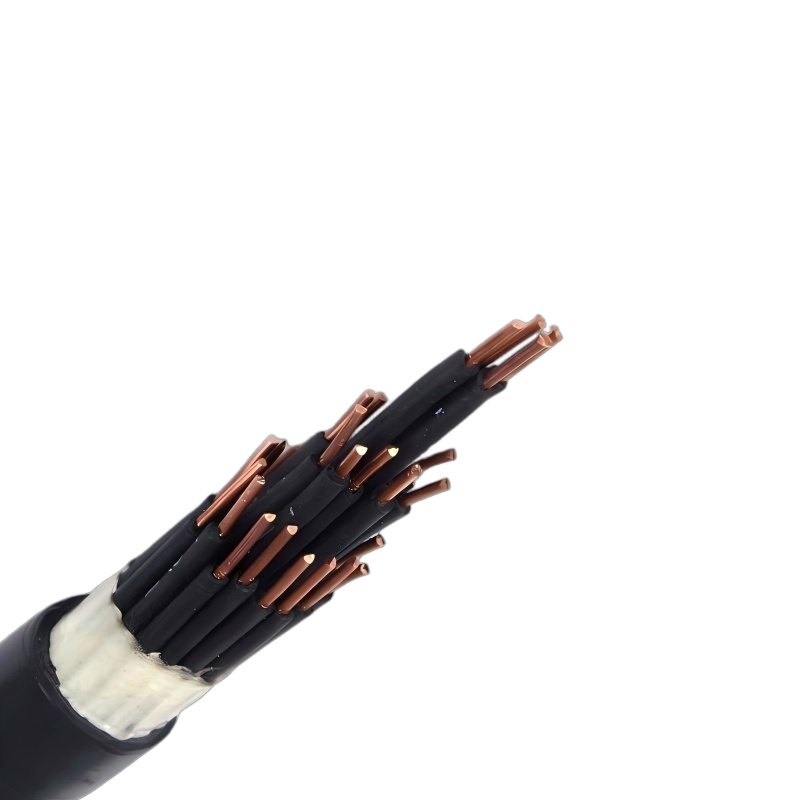
Sheath PVCDetails KVV Control Cable-PVC Insulated and Sheathed Copper CablesKVV Control Cable-PVC Insulated and Sheathed Copper Cables
Voltage Rating: 450/750 Volts,
Conductor: soft annealed copper
Insulation: PVCDetails
Get in Touch
*We respect your confidentiality and all information are protected.