
5 Critical Factors When Sourcing BVR Cables for Construction Projects
Introduction: The Importance of Quality BVR Cables in Construction
Selecting the right BVR cables for your construction project is crucial for safety and performance. As a leading AAC cable exporter and Network Cable specialist, Hebei Yongben Wire and Cable understands the critical factors that impact your procurement decisions. This guide highlights 5 essential considerations when sourcing durable, certified BVR cables that meet international standards like CCC and ISO9001 - helping project managers and distributors make informed choices for long-term reliability.
1. Material Composition and Electrical Properties
The conductor material directly impacts conductivity and durability. Copper conductors offer superior conductivity (58 MS/m at 20°C) compared to aluminum (35 MS/m), but aluminum variants like our 185mm2 Single Core 0.6/1KV Aluminium Wire Armoured AWA Cable provide cost advantages for specific applications while meeting IEC/EN 60228 standards.
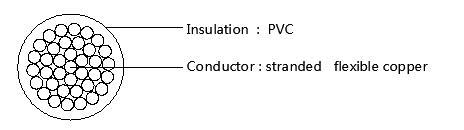
Insulation materials like XLPE (Cross Linked Poly Ethylene) provide superior thermal resistance (up to 90°C continuous operation) compared to standard PVC (70°C). For projects requiring enhanced safety, Low Smoke Halogen Free (LSZH) sheathing reduces toxic emissions during fires by 60-80% compared to conventional materials.
2. Certification Compliance and International Standards
Certifications validate product quality and safety. Key standards for construction-grade cables include:
- CCC (China Compulsory Certification) - Mandatory for Chinese projects
- ISO 9001:2015 - Quality management systems
- IEC 60502-1 - Power cables up to 1kV
- BS 5467 - British standard for armored cables
Our products hold 28 European country certifications, ensuring compliance for international projects. The 185mm2 AWA Cable specifically meets BS 5467, IEC 60332 flame tests, and BS 6724 for LSHF performance.
3. Environmental and Installation Conditions
Cable performance varies significantly based on installation environment. Consider these factors:
For cable ducting applications, ensure the outer diameter (typically 15-30mm for 185mm² cables) allows proper clearance - generally 20-30% larger than cable diameter for proper heat dissipation.
4. Technical Specifications and Load Capacity
Key parameters affecting performance include:
- Rated voltage (0.6/1KV for most building wiring)
- DC resistance (e.g., 0.0991 Ω/km for 185mm² copper at 20°C)
- Ampacity (typically 330-450A for 185mm² copper cables)
Our technical team can provide detailed ampacity tables accounting for installation method (air, duct, ground) and ambient temperature derating factors (typically 0.8-1.2 multipliers).
5. Supplier Reliability and Customization Options
Evaluate suppliers on these critical dimensions:
- Lead time consistency (typically 15-30 days for standard orders)
- Minimum Order Quantity (MOQ) flexibility (from 100m for some configurations)
- Customization capabilities (colors, lengths, packaging)
As a manufacturer with 100+ country exports, we offer color-coding options (Red/Yellow/Blue/Black/Green) and can provide cables with white numerals for complex installations requiring clear phase identification.
FAQ: Common BVR Cable Sourcing Questions
What's the typical lifespan of quality BVR cables?
Properly installed BVR cables with XLPE insulation can last 25-30 years in indoor applications. Outdoor or harsh environments may reduce this to 15-20 years. Our aluminum wire armored variants add 5-7 years to underground service life.
How do I verify certification authenticity?
Request original test reports with QR codes or certificate numbers that can be verified on certification body websites. We provide full documentation for all compliance claims, including third-party test results for flame retardancy (IEC 60332) and smoke density (IEC 61034).
Conclusion: Making Informed Procurement Decisions
Selecting BVR cables requires balancing technical requirements, compliance needs, and project economics. By prioritizing material quality, certification validity, environmental suitability, and supplier reliability, construction professionals can ensure safe, durable electrical installations.
For projects requiring specialized cables, our engineering team can advise on optimal configurations from our range of CCC and ISO9001-certified solutions, including customized armored and flame-retardant options. Contact us for detailed specifications and volume pricing.
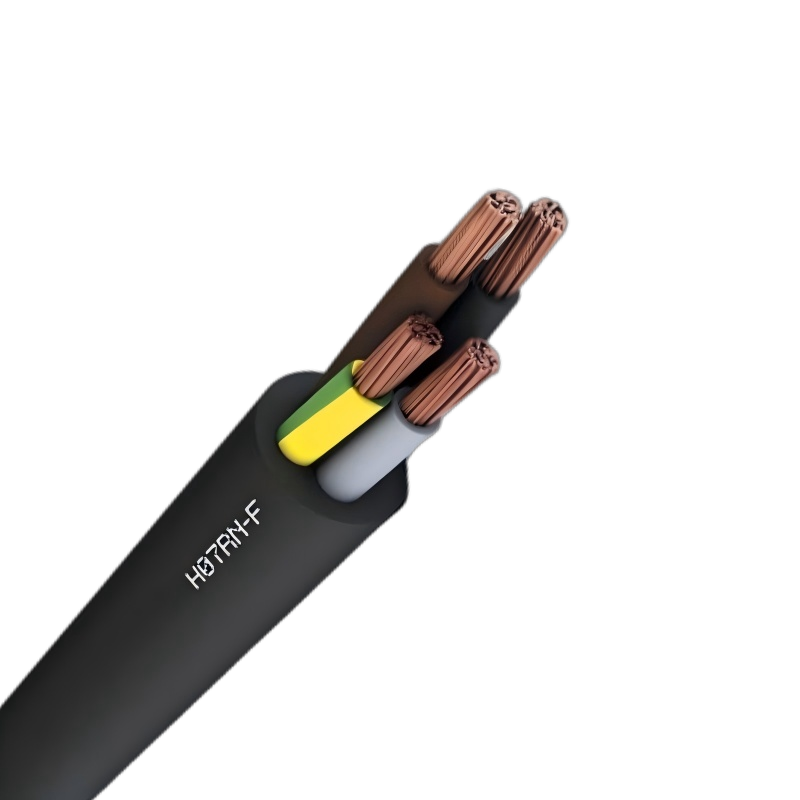
 H07RN-F 3G25Name: h07rn-f 3g25
Cable Type: Rubber power and control cable
Number of Conductors: 3
Temperature range: -25°C to +60°
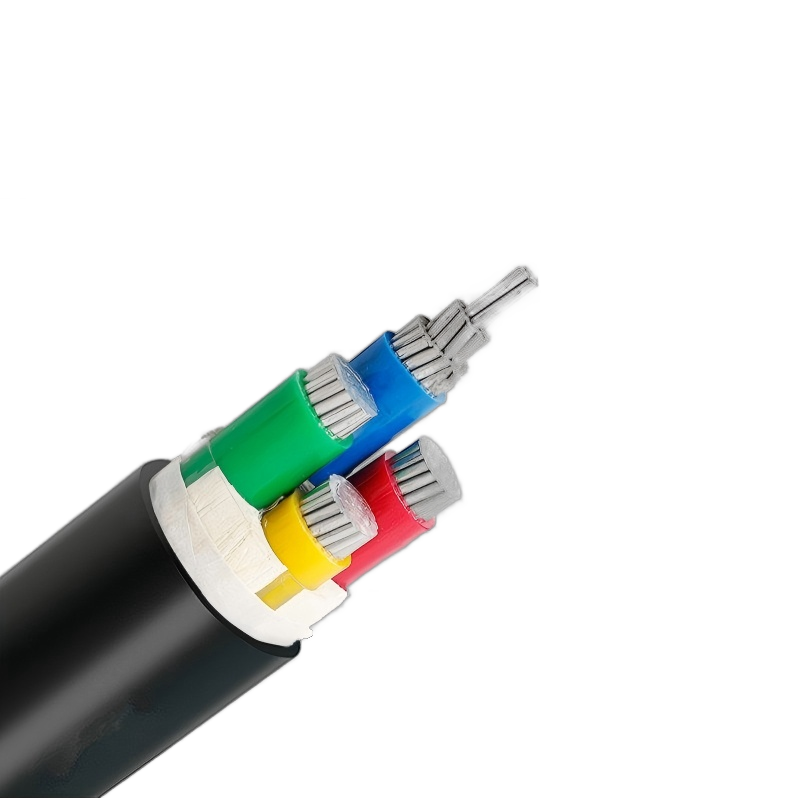
Nominal Voltage: 450 / 750 VDetails 4 Cores XLPE Insulated PVC Sheathed Aluminum Cable Unarmoured 0.6/1kVCable Aluminum AL/XLPE/PVC 4 Cores
Conductor: Aluminum
Insulation: XLPE X-90
Sheath: PVC
Voltage: 0.6/1kV
Number of cores: 4 Cores
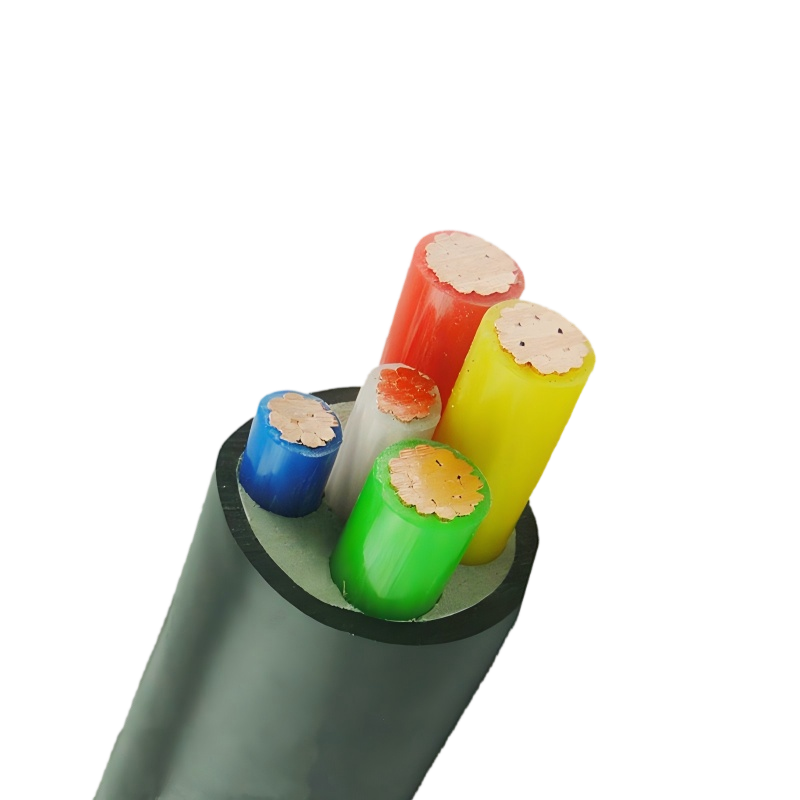
Package : Export wooden drum & iron wooden drum or as customer requireDetails XLPE Insulated 3+2 Cores Copper Cable 3X300+2X150mm2XLPE Insulated, PVC Sheathed Unarmoured 3+2 Cores Copper Cable 3X300+2X150mm2, 0.6/1kV
Number of Cores: 3+2
Cross section area: 3X300+2X150mm2
Conductor: Copper
Voltage: 0.6/1kV
Package : Export wooden drum & iron wooden drum or as customer requireDetails
Get in Touch
*We respect your confidentiality and all information are protected.