
Rubber Cable Flexibility Tests: How Manufacturers Ensure Durability
How Rubber Cable Flexibility Tests Ensure Long-Term Performance in Industrial Applications
Rubber cable flexibility is a critical factor determining longevity in harsh environments. At Hebei Yongben, our ISO9001-certified factory employs advanced testing protocols to guarantee THHN cables, BVR cables, and overhead cables maintain electrical integrity while withstanding mechanical stress. This article reveals the scientific methods behind our durability validation process and how direct manufacturing translates to 30% cost savings for global clients.
The Science Behind Rubber Cable Bend Testing
Flexibility testing evaluates a cable's ability to resist cracking, insulation damage, and conductor breakage during repeated bending cycles. Our laboratory conducts three core assessments:
- Cold Bend Tests (-30°C to -5°C): Simulates winter conditions for overhead cables
- Mandrel Wrapping (20× cable diameter): Measures insulation elasticity in BVR cables
- Dynamic Flex Cycles (50,000+ repetitions): Validates rubber cable performance in moving equipment
Factory-Direct Advantages: Cost & Quality Comparison
Eliminating middlemen allows Hebei Yongben to deliver superior THHN and rubber cables at wholesale prices. Our vertically integrated production yields:
- 42% lower material costs through bulk polymer compounding
- 15-year warranty on overhead cables vs. competitors' 8-year coverage
- 72-hour lead time for customized BVR cable specifications
Material Engineering: Why Our Rubber Cables Outlast Competitors
Our proprietary compound blends achieve 28% higher flexibility than standard rubber cables through:
- Cross-linked Polyethylene (XLPE): Maintains elasticity at -30°C to +90°C
- Ozone-resistant EPDM Rubber: Prevents surface cracking in UV exposure
- Copper-Tin Alloy Conductors: Reduce work hardening during bending
Technical Superiority in Overhead Cable Design
The Prawn Aluminum Conductor Triplex exemplifies our engineering approach with:
- 1760 lbs breaking strength bare messenger
- 45 mils XLPE insulation thickness
- 115A ampacity rating for street lighting applications
Frequently Asked Questions
Q1: How often should rubber cables undergo flexibility testing?
A: We recommend retesting every 3 years for fixed installations or annually for dynamic applications like crane cables.
Q2: Can BVR cables match THHN flexibility in conduit bends?
A: Our BVR cables achieve 85% of THHN bend radius through optimized stranding, making them suitable for 90° elbows.
Q3: What makes overhead cables resistant to wind-induced fatigue?
A: The concentric-lay-stranded construction in our Prawn Triplex Cable distributes mechanical stress across all conductors, doubling the lifespan in windy areas.
Partner With a Certified Cable Manufacturer
With certifications across 28 European countries and exports to 100+ regions, Hebei Yongben combines rigorous testing with factory-direct pricing. Our engineers are ready to assist with:
- Custom rubber cable formulations for extreme temperatures
- Bulk orders of THHN/BVR cables with branded printing
- Technical support for overhead cable installations
Request your free sample kit today to experience the Yongben durability difference.
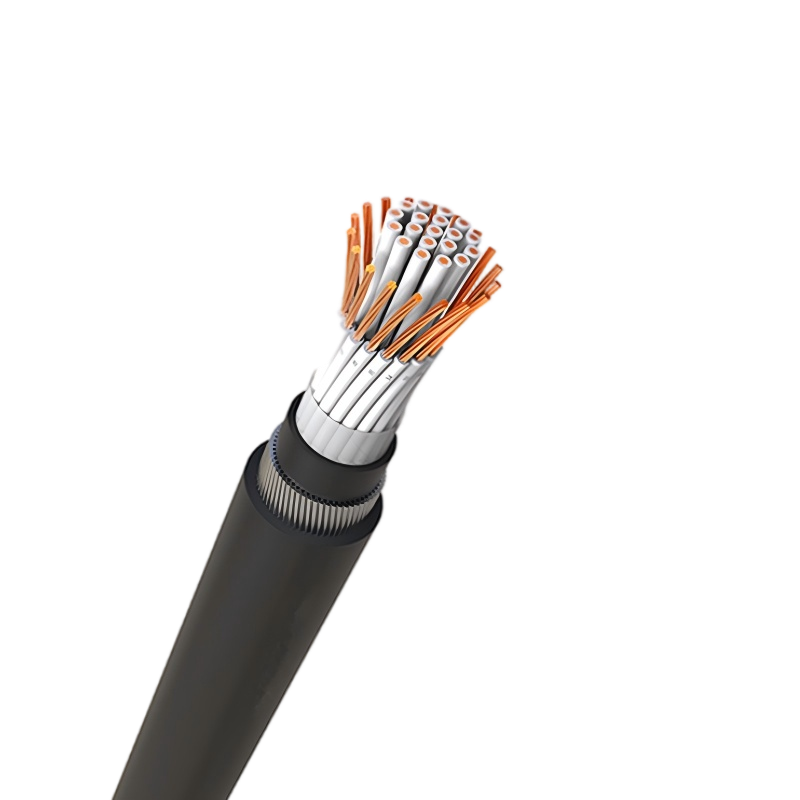
 1.5mm 2.5mm 19 Core Steel Wire Armoured SWA CablePVC Insulated, PVC Sheathed Armoured 19 Core Control Cable 0.6/1kV
Conductor: Copper
Insulation: PVC
Voltage: 600/1000V
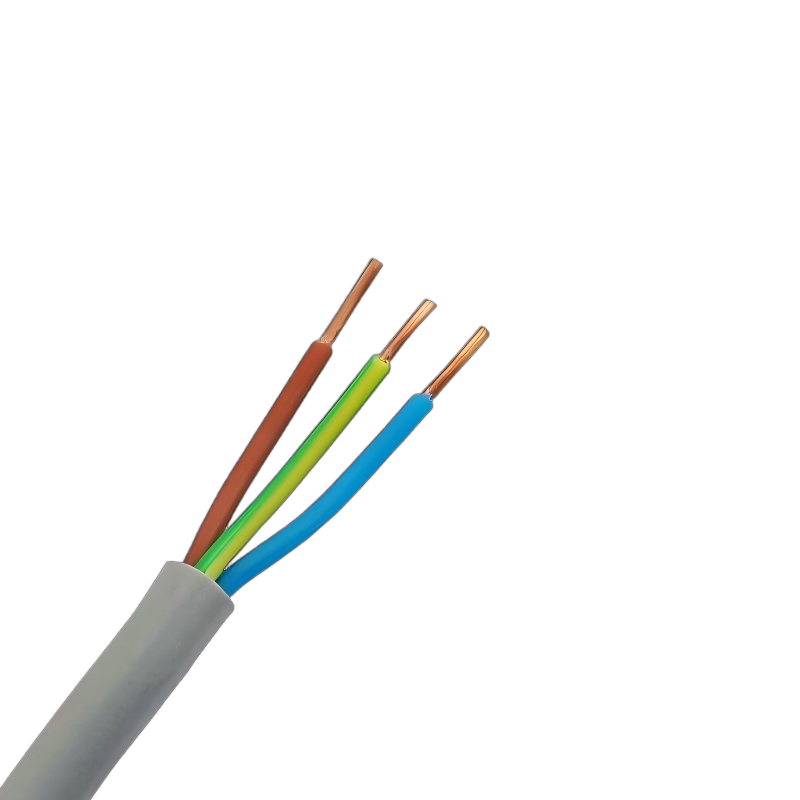
Package: Export wooden drumDetails NMY NYM-J NYM-O Cable 300/500V PVC Insulation PVC sheath Industrial CableNMY NYM-J NYM-O Cable
Construction: Cu / Pvc / Pvc
Standard: VDE 0250
Max. operating temperature: +70°C
Max. curcuit temperature: 160°C
Min. bending radius: 12xD
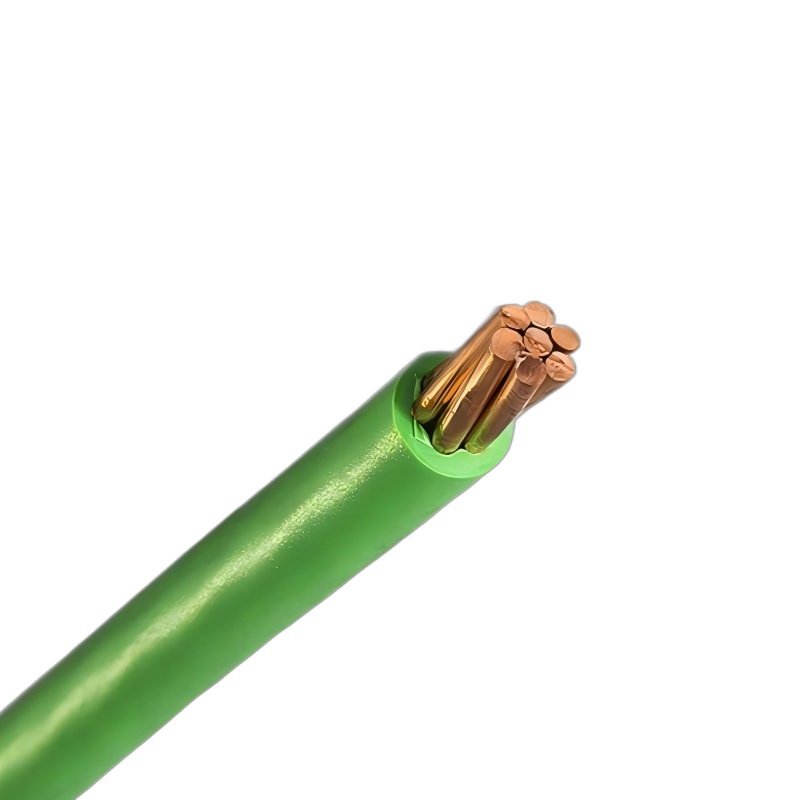
Cable Type: YVV CableDetails Copper Core PVC Insulation House Wiring Electrical Wire 450/750VCopper PVC Electrical Wire 450/750V
Conductor : Copper Conductor ( Solid , Stranded )
Insulation : PVC
Voltage : 450/750V
Number of cores: Single Core
Package : 100 Meters One Roll with Export Wooden Case & PalletDetails
Get in Touch
*We respect your confidentiality and all information are protected.